




Coping with Glaucoma: Tips for Daily Living and Vision Support
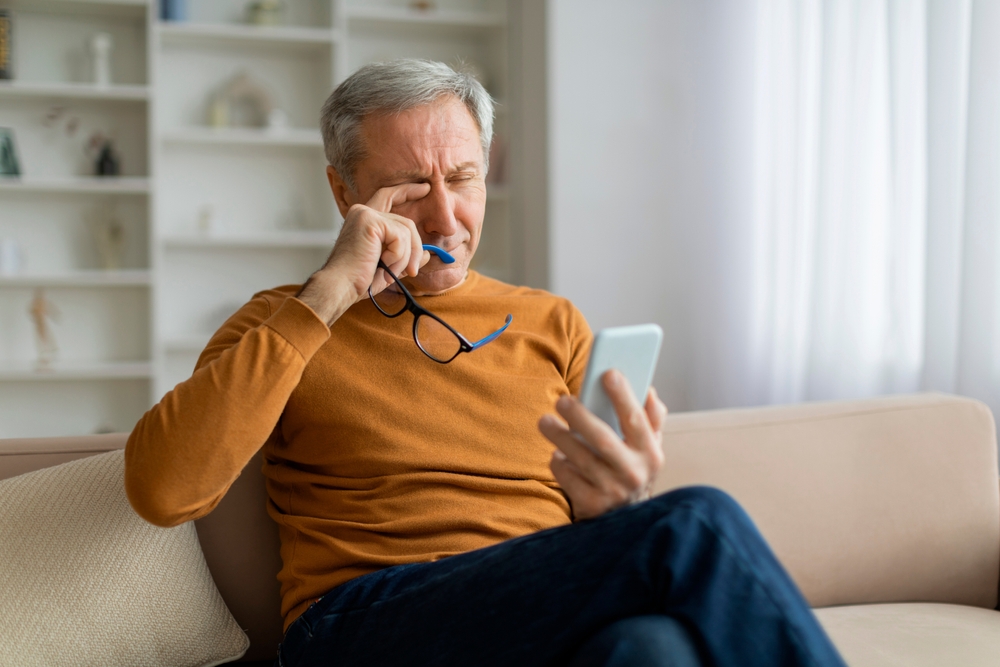
Glaucoma is a chronic eye condition that affects the optic nerve and can lead to permanent vision loss if left untreated. While a glaucoma diagnosis can feel overwhelming, many people continue to live full, active lives with the right combination of treatment, lifestyle adjustments, and ongoing vision care.
Understanding the Daily Impact of Glaucoma
Glaucoma often progresses slowly and may not cause noticeable symptoms in its early stages. Over time, however, it can affect peripheral vision, depth perception, and contrast sensitivity. These changes can influence everyday activities such as driving, reading, navigating stairs, or adjusting to changes in lighting.
Because vision loss from glaucoma is irreversible, early diagnosis and consistent management are essential. Regular eye exams allow your optometrist to monitor eye pressure, optic nerve health, and visual field changes over time.
Stay Consistent With Your Treatment Plan
Prescription eye drops are often the first line of treatment for glaucoma. Taking them exactly as directed is crucial for controlling eye pressure. Set reminders, keep drops in a visible location, and talk to your optometrist if you experience side effects or difficulty using them.
Improve Lighting at Home
Good lighting can make a significant difference for individuals with reduced contrast sensitivity or peripheral vision loss. Use bright, even lighting in hallways, staircases, kitchens, and reading areas to reduce eye strain and improve safety.
Protect Your Eyes From Injury
Eye injuries can worsen glaucoma or complicate treatment. Wear protective eyewear during sports, home projects, or yard work, and avoid activities that put unnecessary strain or pressure on the eyes unless approved by your eye doctor.
Use Vision Aids When Needed
If glaucoma has affected your vision, tools such as magnifiers, high-contrast reading materials, or anti-glare lenses can improve comfort and functionality. Your optometrist can recommend vision support options based on your specific needs.
When to Discuss Glaucoma Surgery With Your Optometrist
While many cases of glaucoma are successfully managed with eye drops or laser treatments, there are situations where glaucoma surgery may be recommended. You should talk with your optometrist about surgical options if:
Eye pressure remains elevated despite consistent use of medications
Glaucoma continues to progress based on optic nerve or visual field testing
You are unable to tolerate glaucoma medications due to side effects
Multiple medications are needed to control eye pressure
Glaucoma surgery is designed to improve fluid drainage from the eye and lower intraocular pressure. Your optometrist will help determine whether surgical intervention is appropriate and coordinate care with a glaucoma specialist if needed.
The Importance of Ongoing Monitoring
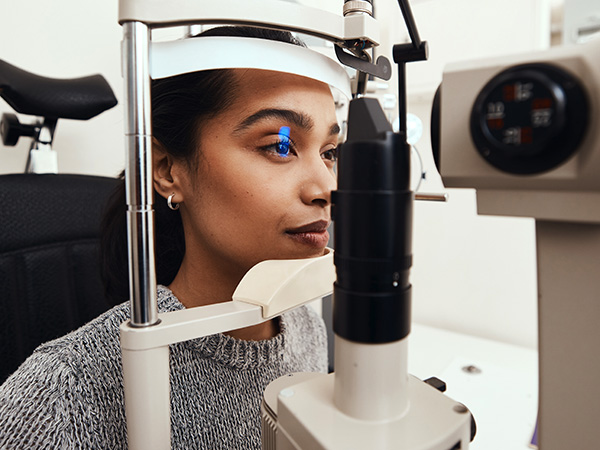
Living with glaucoma requires long-term commitment to eye care. Even if your vision seems stable, regular follow-up visits are essential to detect subtle changes early. At Ascent Eye Care, we use advanced diagnostic technology to closely monitor glaucoma and adjust treatment plans as needed to protect your sight.
Schedule Your Glaucoma Evaluation at Ascent Eye Care
A glaucoma diagnosis does not mean losing control over your vision or quality of life. With proper treatment, healthy habits, and regular eye exams, many patients successfully manage glaucoma for years. Understanding daily coping strategies and knowing when to discuss glaucoma surgery with your optometrist can make a meaningful difference in preserving vision.
If you have been diagnosed with glaucoma or have concerns about vision changes, the team at Ascent Eye Care is here to help. Visit out office in Salida, Colorado, or call (719) 539-3581 to book an appointment today.

All Eye
Care Services
Keep
In Touch
© 2026 Ascent Eye Care. All rights Reserved. Accessibility Statement - Privacy Policy - Sitemap
Powered by:
